

HOW IT WORKS
Your visit in three simple steps
Booking your massage should feel just as relaxing as the session itself. Our process is simple, calm, and designed around your schedule.
01
Choose your treatment
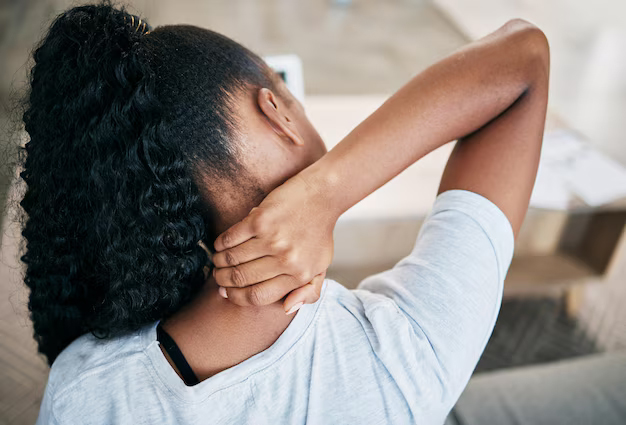
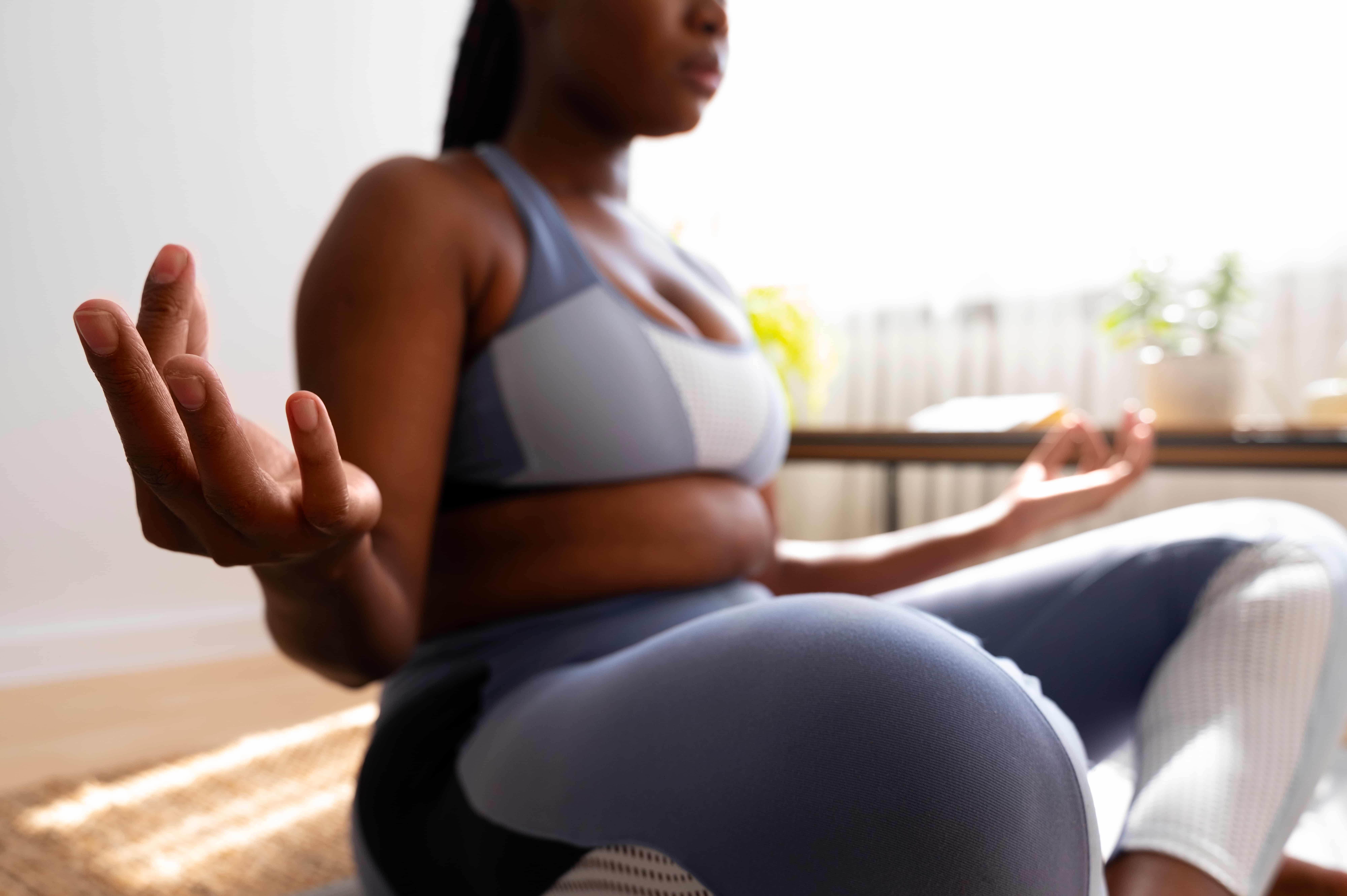
Select the massage therapy session that best fits your needs, whether you're looking for relaxation, recovery, or focused tension relief.
02
Book your appointment
Reserve a time that works best for your schedule using our simple, convenient online booking system.
03
Relax and restore
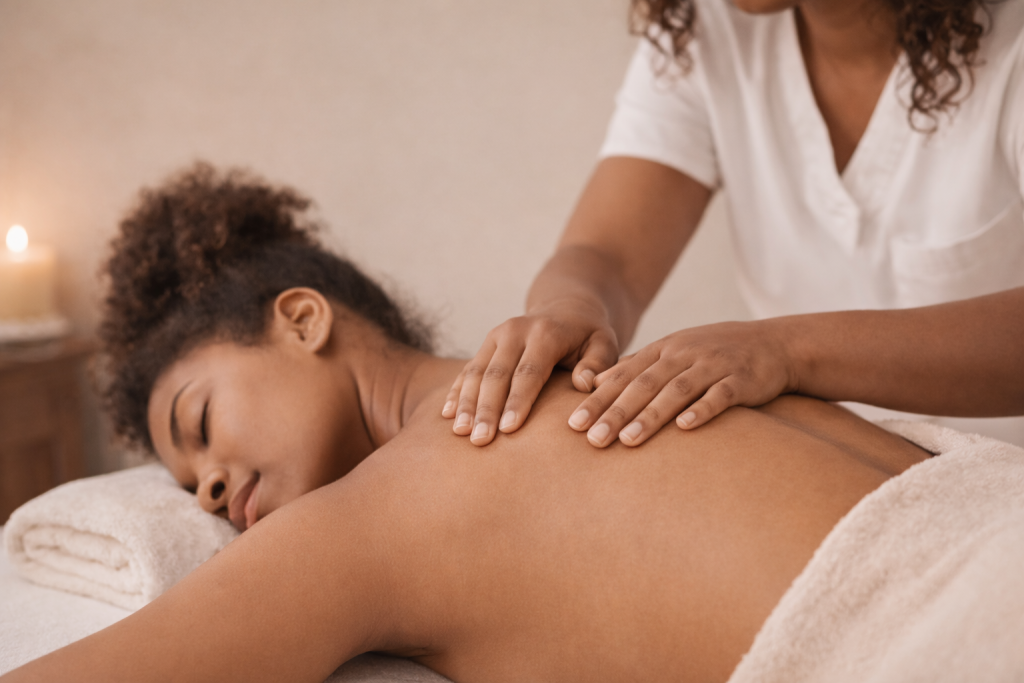
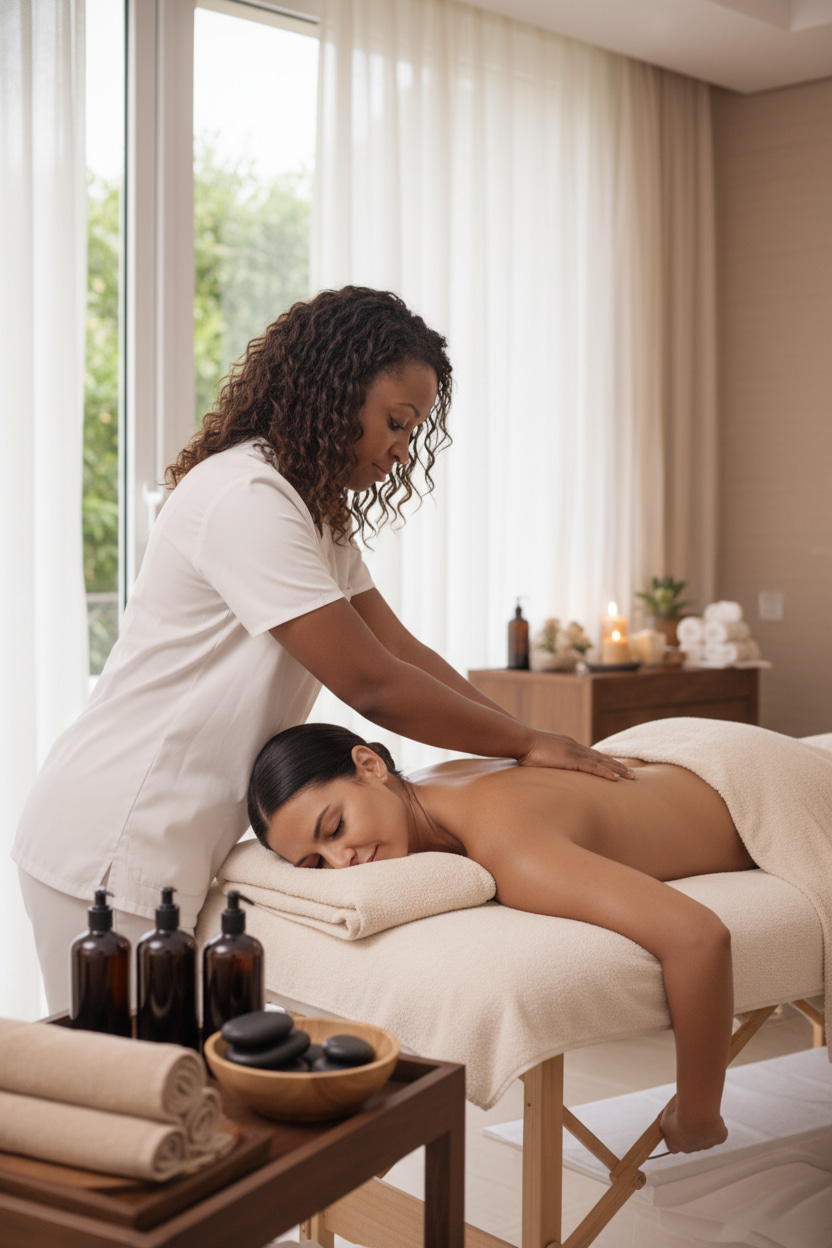
Arrive, unwind, and enjoy a personalized massage session designed to help your body relax and recharge.
Our top services
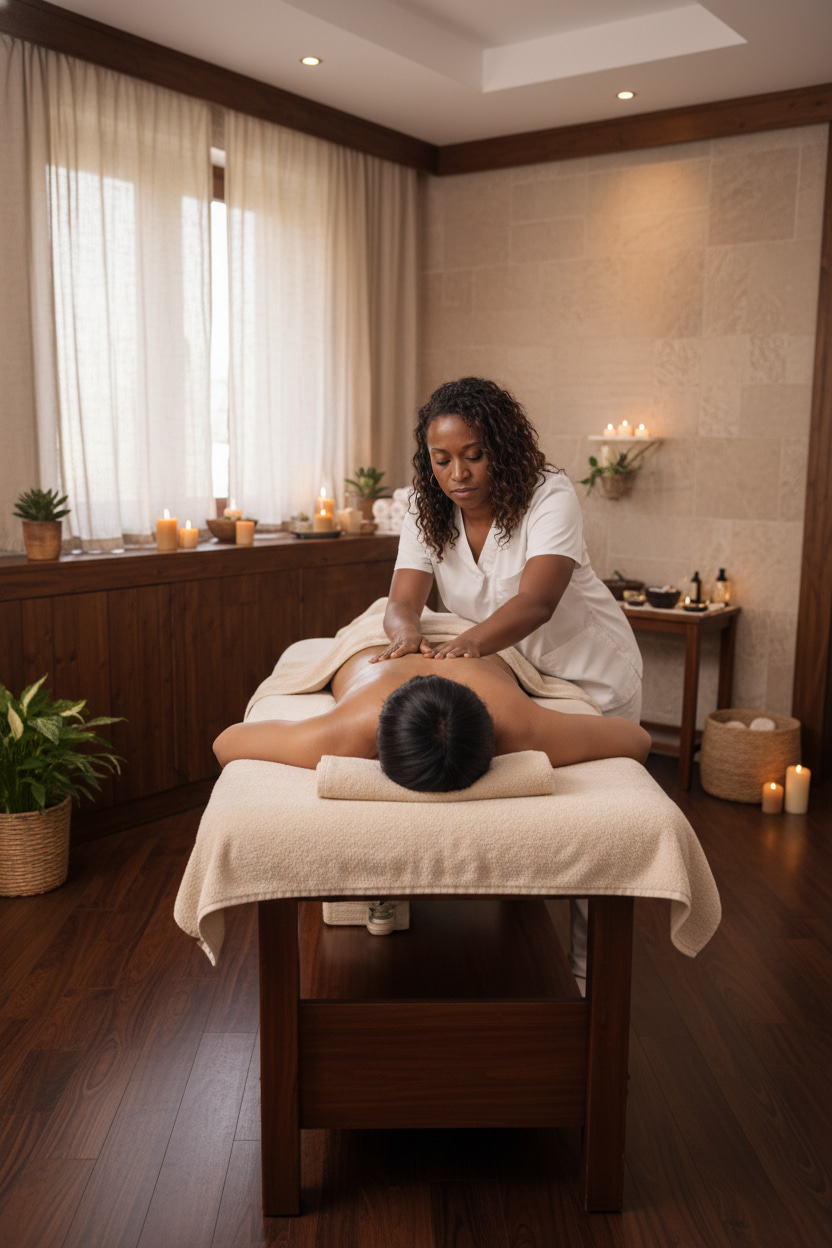
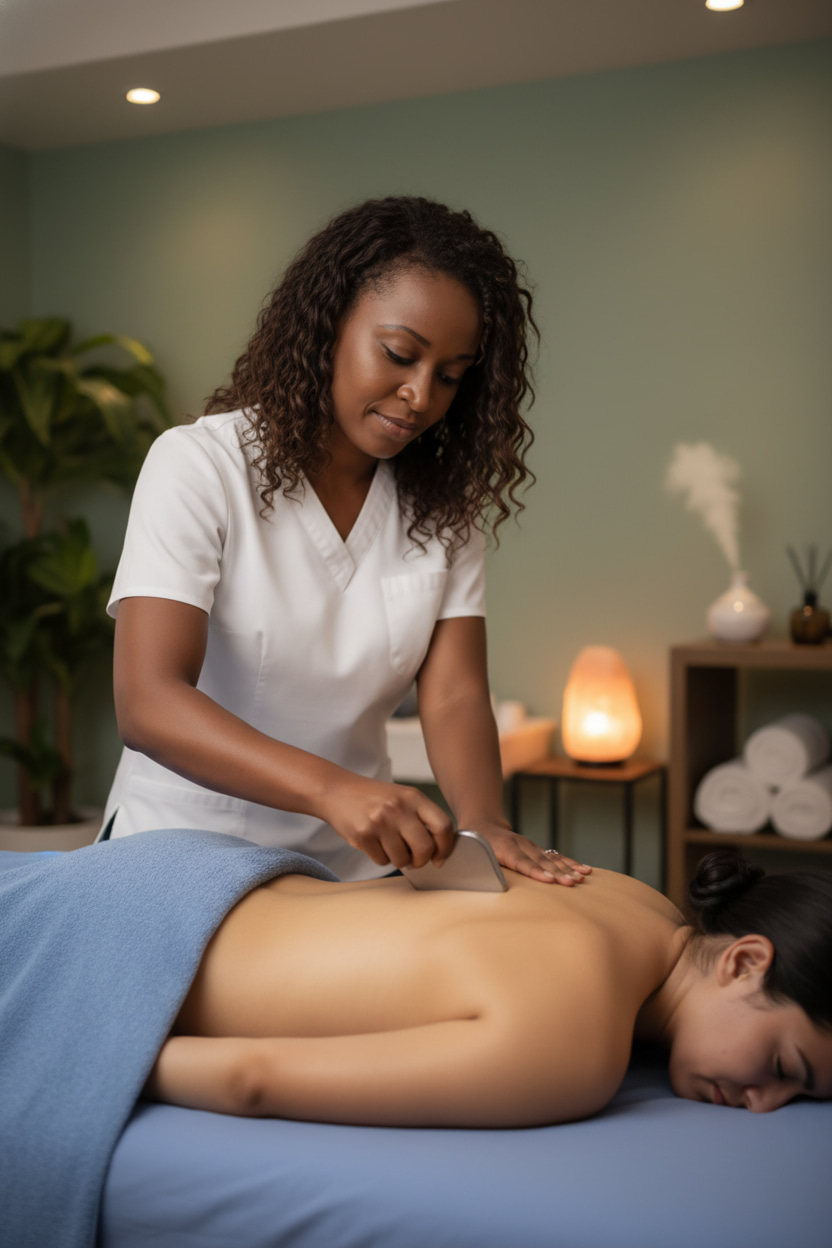
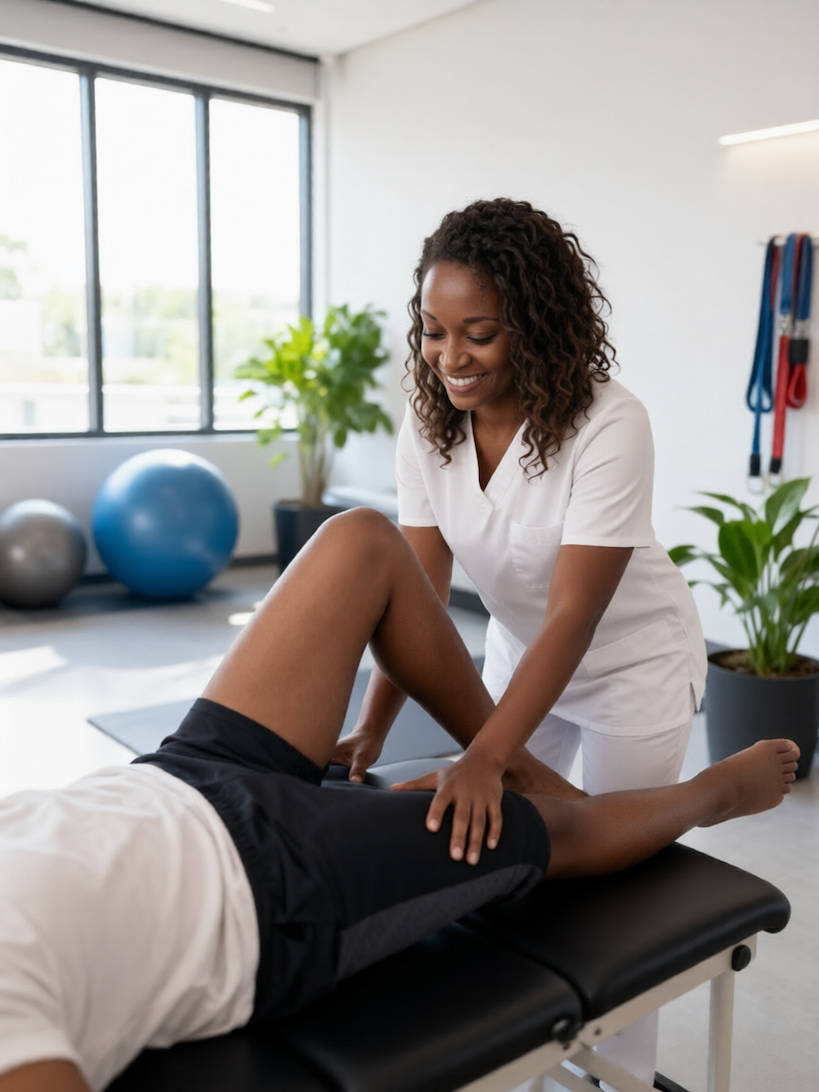
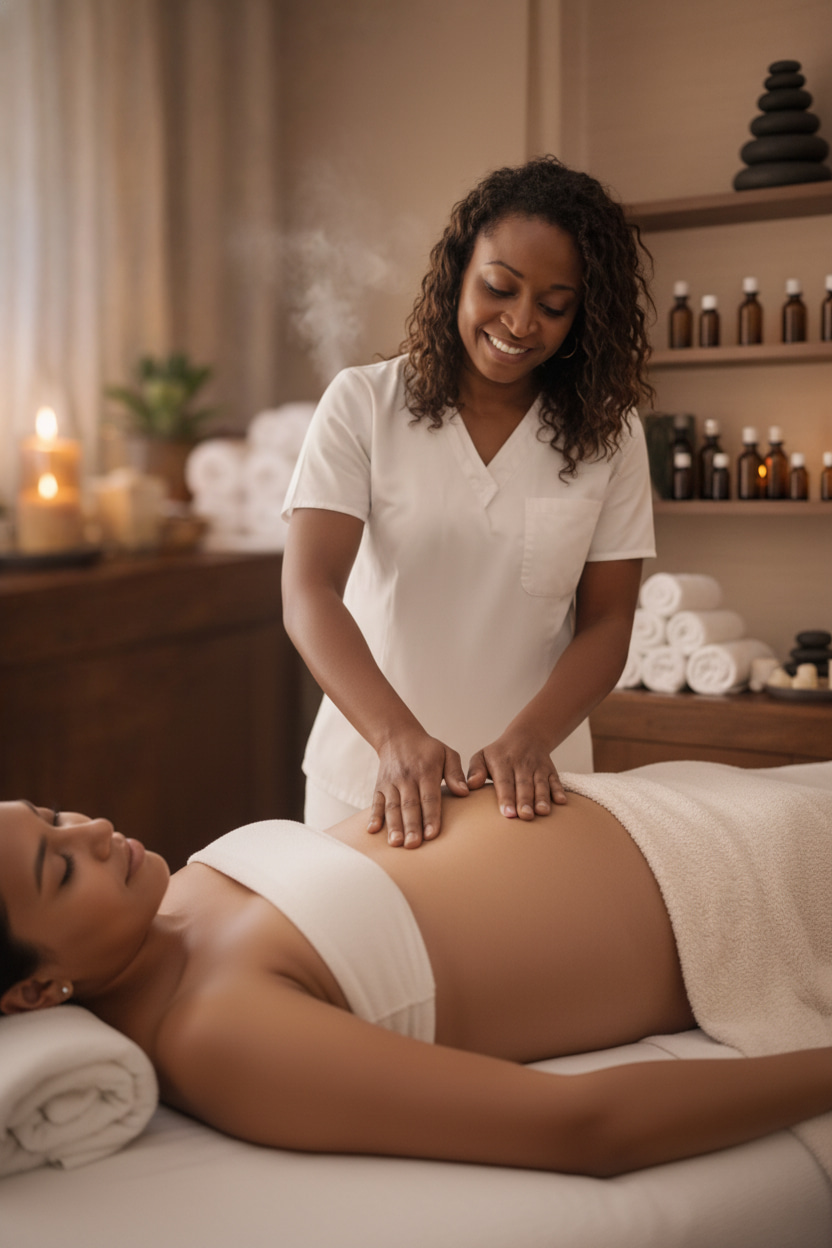
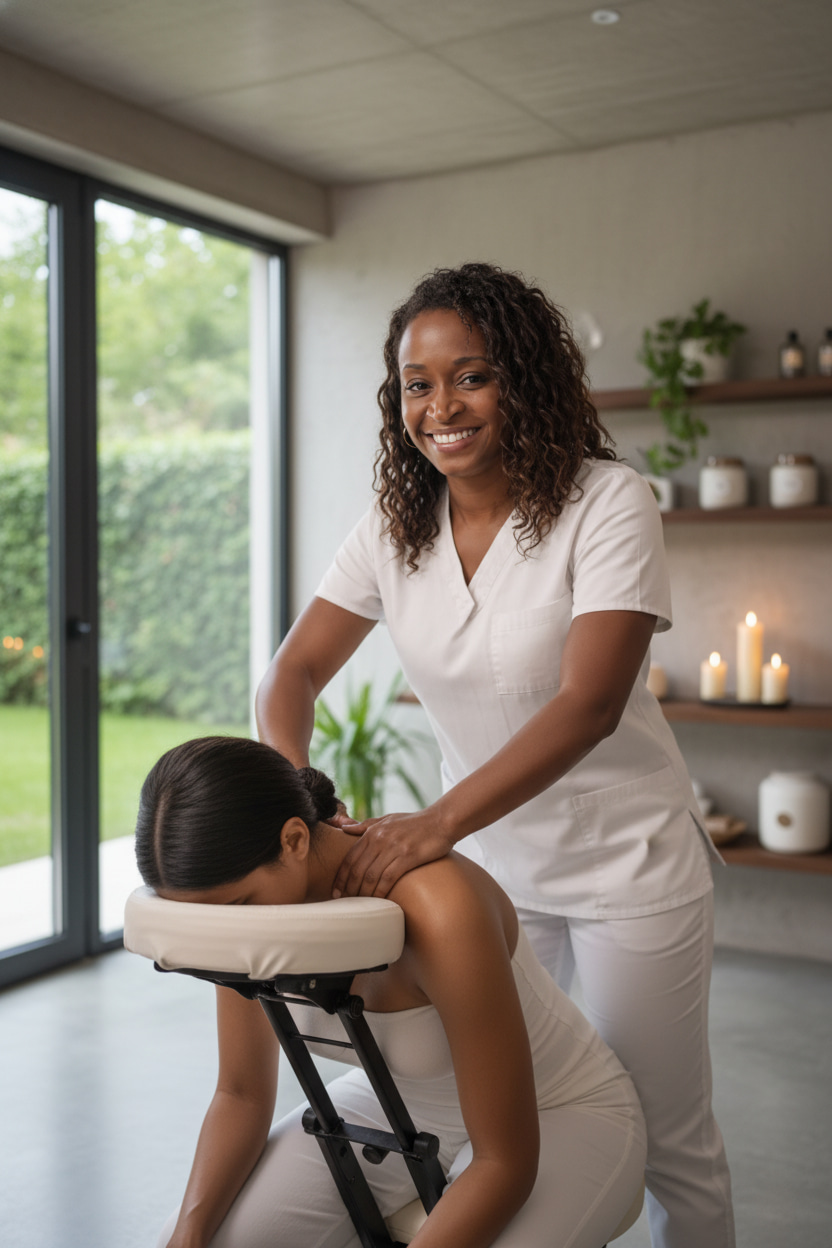
Explore our most popular massage services including Swedish, deep tissue, prenatal, hot stone therapy, therapeutic massage, and mobile chair massage.
Why Choose Chloe Massage Spa
Meet your spa
Skilled, intuitive care designed to help you slow down, reset, and feel fully supported in Los Angeles.
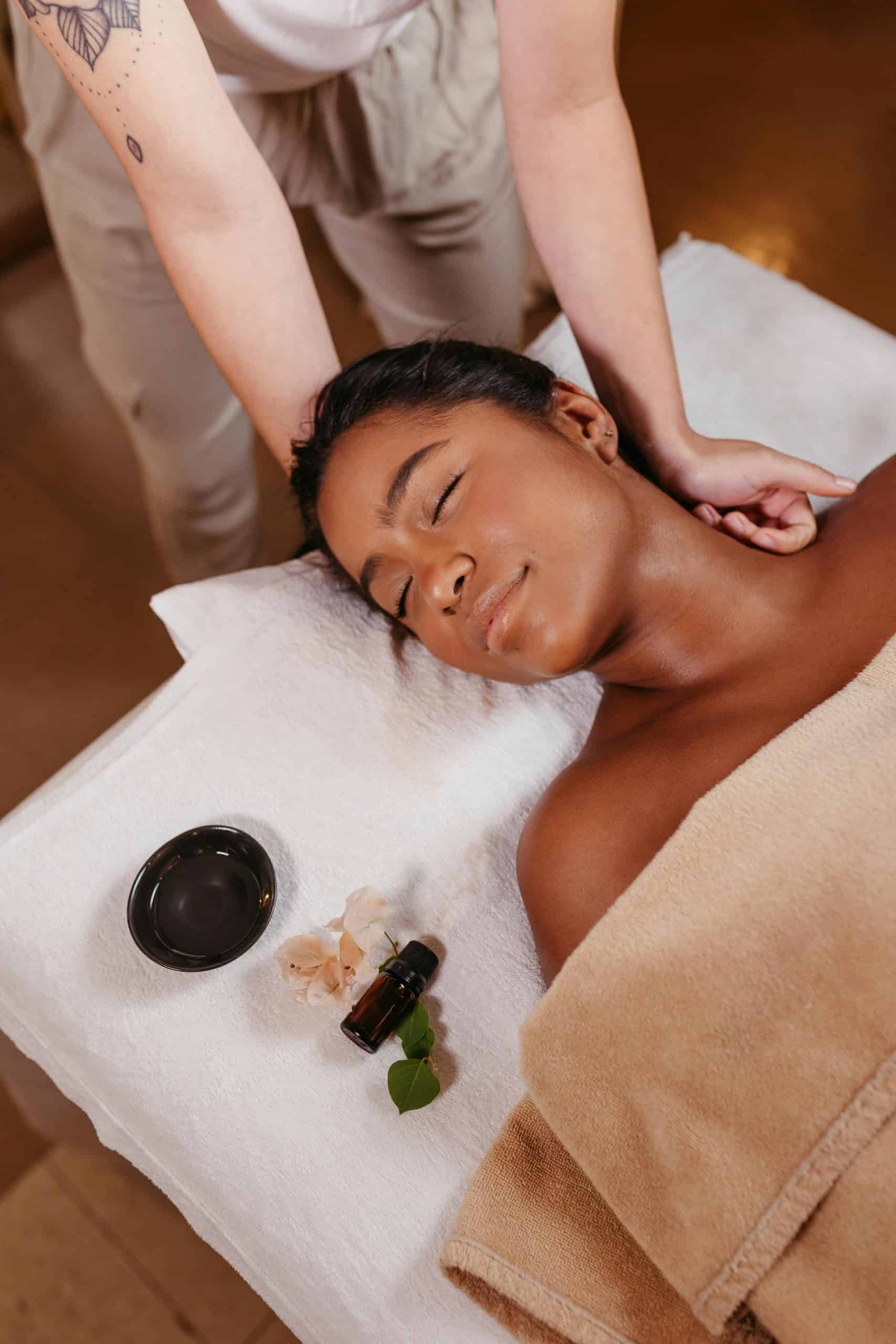
Chloe Massage Spa offers a personalized, therapeutic experience designed around your body. Using deep tissue, prenatal, and restorative techniques, each session helps relieve tension, reduce stress, and support long-term wellness.
Thoughtfully personalized sessions
Massage pressure, focus areas, and pacing are adjusted to your needs.
Therapeutic and restorative focus
Designed to support relaxation, tension relief, and better physical comfort.
A calm, welcoming environment
Soft, elevated, and peaceful — created to help clients feel at ease immediately.
What our clients say about us
“Loading reviews…”
Trusted by these teams





Service Areas
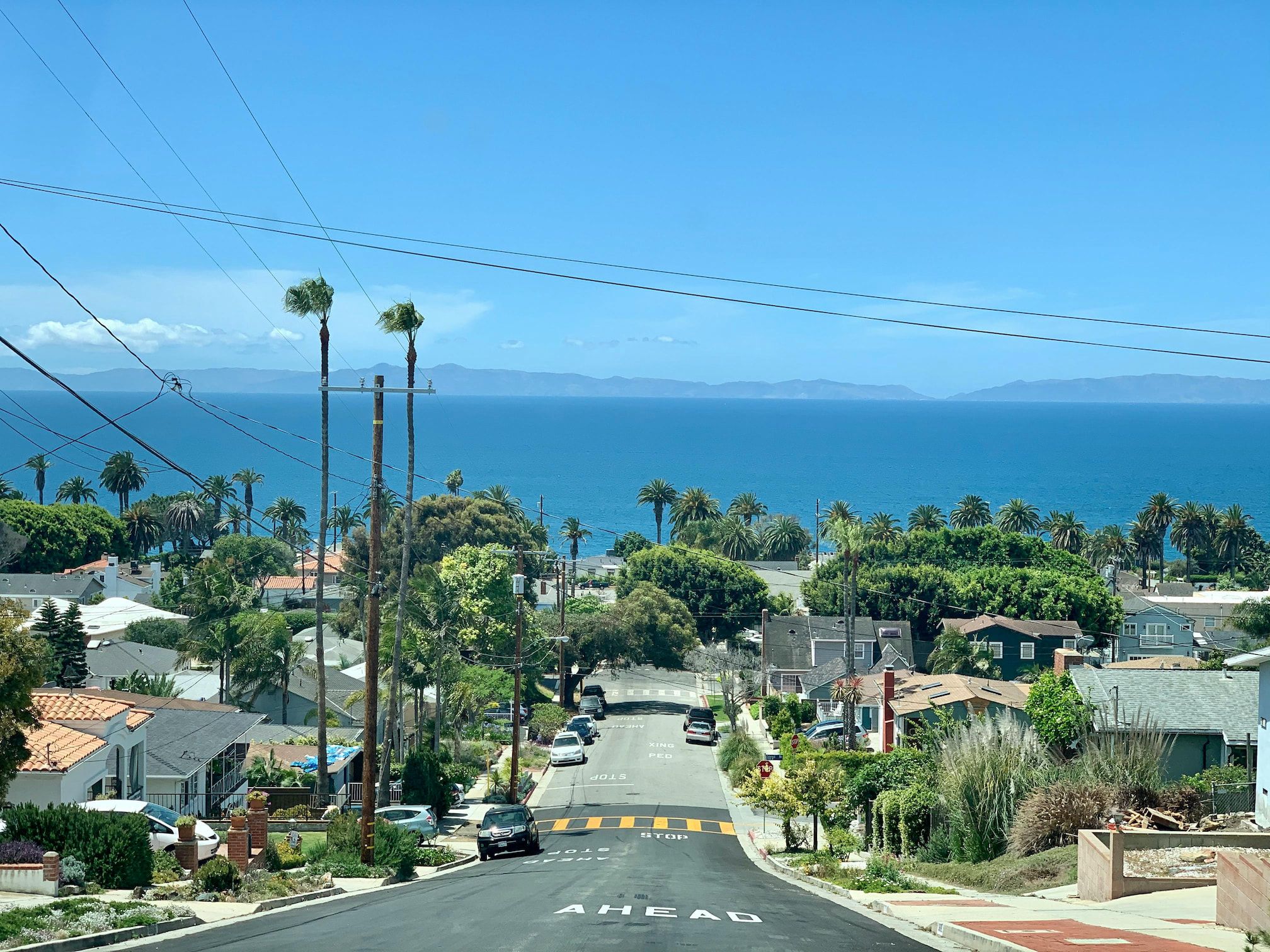
Areas we serve around Los Angeles
Chloe Massage Spa offers professional massage therapy in Los Angeles for clients seeking relaxation, pain relief, and restorative bodywork. Our licensed massage therapists welcome guests from Beverly Hills, West Hollywood, Santa Monica, Venice, Century City, Brentwood, Bel Air, Malibu, Studio City, Burbank, Encino, Culver City, Hermosa Beach, Redondo Beach, and Palos Verdes Estates.
Chloe Massage Spa
Ready to feel better in your body again?
Massage therapy in Beverly Hills and Los Angeles to relieve tension, support recovery, and restore balance.
FAQ
Questions clients ask before booking
What massage services do you offer?
Chloe Massage Spa offers customized massage therapy including Swedish massage, deep tissue massage, prenatal and postnatal massage, myofascial therapy, and mobile chair massage in the Los Angeles area.
How long are massage sessions?
Session lengths vary by service, with options designed for both focused treatment and longer full-body relaxation appointments.
What should I wear to my massage?
Wear comfortable clothing and undress only to your comfort level. You will always be professionally draped during your session.
Do you offer prenatal massage?
Yes. Chloe Massage Spa offers prenatal and postnatal massage designed to help reduce tension, support comfort, and promote relaxation during and after pregnancy.