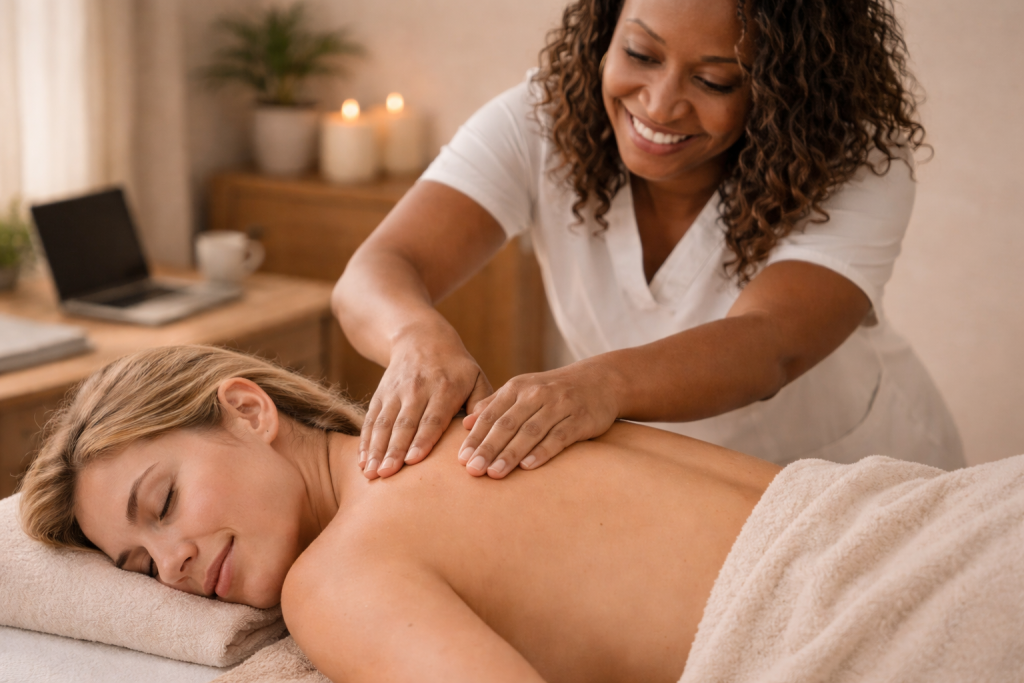
Stress affects far more than the mind. When the body experiences chronic stress, tension can accumulate in muscles, connective tissue, and the nervous system. Over time, this tension may contribute to discomfort, fatigue, and reduced mobility.
Many people notice physical symptoms of stress in areas such as the neck, shoulders, jaw, and lower back. These symptoms occur because the body naturally prepares itself to respond to perceived threats through muscle contraction and heightened nervous system activity.
Massage therapy offers a natural way to release this tension while helping the nervous system shift into a state of relaxation and recovery.
The Mind-Body Connection and Stress
The nervous system constantly communicates with muscles and tissues throughout the body. When the brain perceives stress, it activates the fight-or-flight response, which prepares the body for action.
During this response, stress hormones such as cortisol and adrenaline increase. These hormones raise heart rate, tighten muscles, and increase alertness.
While this response is helpful during short-term stress, chronic activation can cause muscles to remain tight for extended periods.
Where Stress Is Most Commonly Stored in the Body
Stress frequently manifests in specific areas of the body where muscles are prone to tension.
Common areas where people store stress include:
- neck and shoulders
- upper back between the shoulder blades
- jaw and facial muscles
- lower back
- hips and pelvis
Because these muscles are heavily involved in posture and movement, they often absorb the physical effects of emotional stress. Massage therapy helps release this stored tension by relaxing tight muscles, improving circulation, and calming the nervous system.
Studies estimate that up to 70% of adults experience physical symptoms related to stress, including muscle tension, headaches, and fatigue.
How Chronic Stress Affects Muscle Health
When muscles remain contracted for long periods, circulation may become restricted. Reduced blood flow limits the delivery of oxygen and nutrients to muscle tissue, which can contribute to soreness and fatigue.
Over time, these patterns may lead to chronic muscle tightness or pain. Many people also experience reduced mobility in the neck, shoulders, and upper back as tension accumulates.
This is why individuals under prolonged stress often report stiffness and discomfort in the upper body.
How Massage Therapy Helps Release Stored Tension
Massage therapy works directly with muscles and connective tissue to help release tension patterns created by stress.
During a massage session, therapeutic pressure stimulates circulation and encourages muscles to relax. Improved blood flow allows oxygen and nutrients to reach muscle tissue while helping remove metabolic waste.
Research published in the International Journal of Neuroscience found that massage therapy may reduce cortisol levels while increasing serotonin and dopamine levels associated with relaxation and improved mood.
The Role of Somatic Bodywork in Stress Relief
Somatic bodywork focuses on the relationship between physical sensations and the nervous system. This approach encourages awareness of how stress affects the body and how tension patterns develop.
Through intentional touch and slower therapeutic techniques, somatic bodywork helps the body gradually release stored tension.
By improving body awareness, individuals may become better able to recognize early signs of stress before discomfort becomes severe.
Supporting Stress Release Between Massage Sessions
Massage therapy can significantly reduce muscle tension, but daily habits also influence how the body responds to stress.
Helpful practices include:
- stretching the chest and shoulders regularly
- practicing deep breathing exercises
- taking breaks from prolonged sitting
- engaging in mindful movement or yoga
Exercises like chest and shoulder stretches can help relieve tension that builds throughout the workday.
Individuals experiencing nerve-related tension may also benefit from learning about thoracic outlet syndrome stretches, which focus on improving shoulder mobility.
Chloe Massage Spa’s Approach to Stress and Body Awareness
At Chloe Massage Spa, massage therapy sessions are designed to address both muscular tension and nervous system balance.
Therapeutic massage techniques help release tight muscles while creating a calm environment that encourages the body to relax. By incorporating principles from somatic bodywork, treatments help clients reconnect with their bodies and release patterns of chronic tension.
This holistic approach supports both physical comfort and emotional well-being.
Restoring Balance Through Therapeutic Massage
Stress is an unavoidable part of life, but its physical effects do not have to become permanent. Supporting the body through massage therapy can help release tension, restore mobility, and encourage nervous system balance.
At Chloe Massage Spa, therapeutic massage sessions are designed to relieve muscle tension while promoting deep relaxation and recovery.
If you are experiencing physical symptoms of stress, scheduling a massage session may help your body release tension and restore balance.
Book your next massage session with Chloe Massage Spa and experience the benefits of therapeutic bodywork for stress relief and relaxation.