Stress affects both the body and mind. When stress becomes chronic, it can disrupt the nervous system and lead to muscle tension, fatigue, and persistent discomfort throughout the body.
Massage therapy offers a natural way to calm the nervous system and support the body’s ability to relax and recover. By working with muscles, connective tissue, and sensory receptors throughout the body, massage therapy helps activate the parasympathetic nervous system, which is responsible for rest and recovery.
For many individuals, regular massage therapy becomes an important part of managing stress while improving physical and emotional well-being.
Understanding the Body’s Stress Response
The nervous system controls how the body responds to stress. When the body perceives stress, the sympathetic nervous system becomes activated. This is commonly known as the “fight or flight” response.
During this response, the body releases hormones such as cortisol and adrenaline. These hormones increase heart rate, raise blood pressure, and prepare the body to respond to perceived threats.
While this response is helpful in short bursts, prolonged stress can keep the body in a constant state of tension.
Chronic Stress and Physical Tension
When the body remains in a heightened stress state, muscles often become tight and fatigued. Many people notice this tension in the neck, shoulders, and upper back.
In fact, studies estimate that up to 70% of adults experience physical symptoms caused by stress, including muscle tension, headaches, and fatigue.
Over time, persistent tension can reduce mobility and contribute to chronic discomfort.
How Massage Therapy Supports Relaxation
Massage therapy helps activate the parasympathetic nervous system, often called the body’s “rest and digest” state.
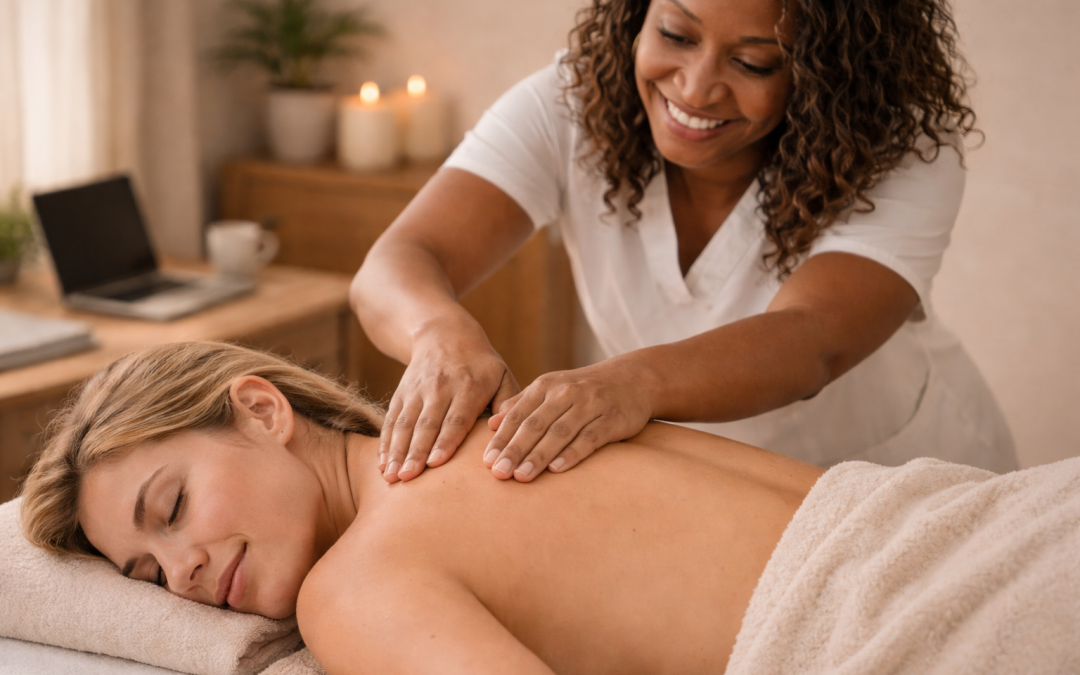
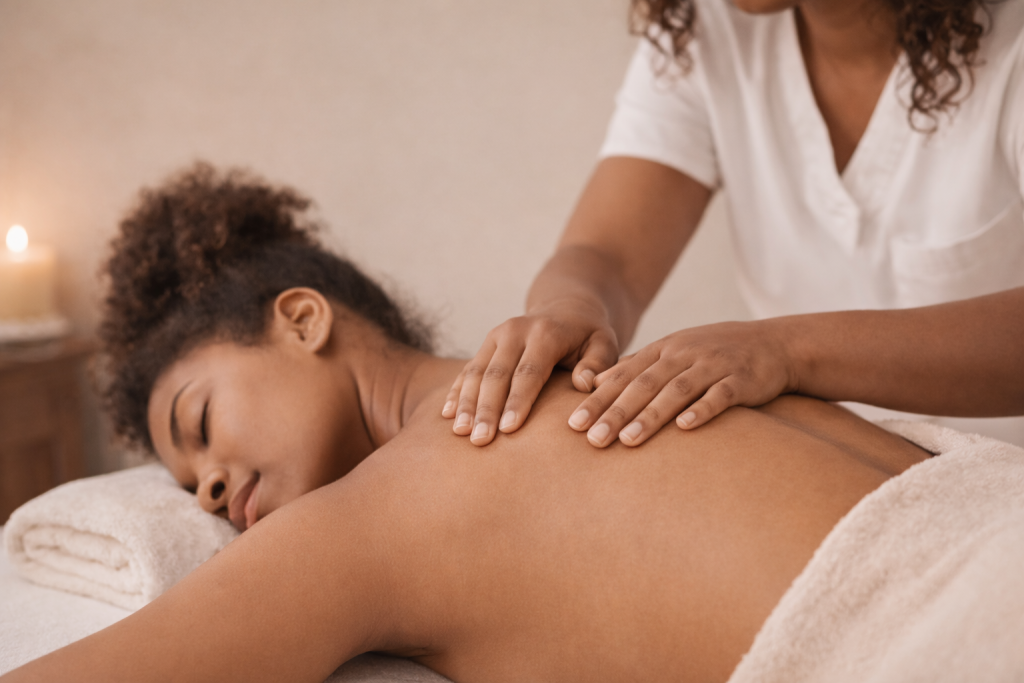
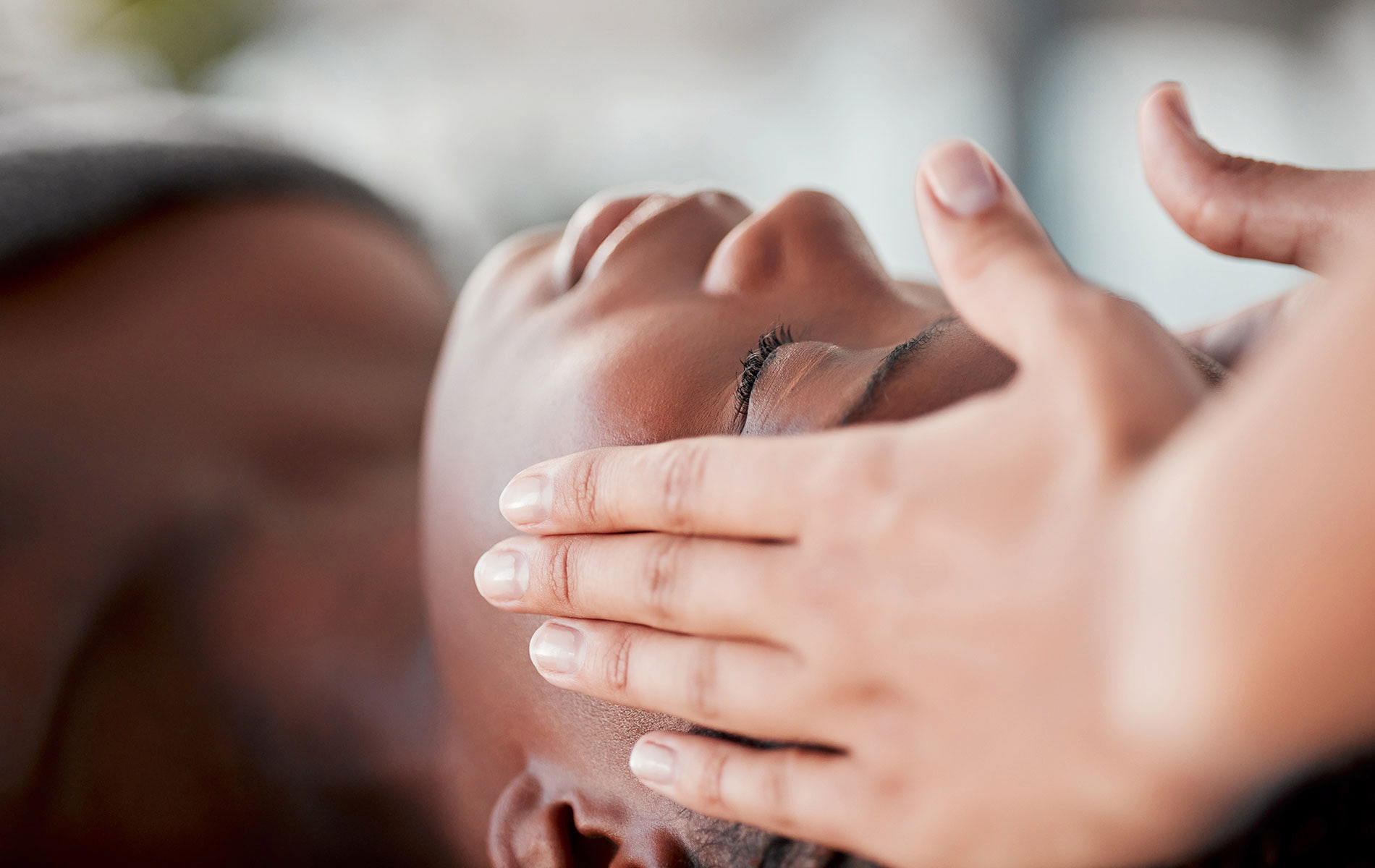
During a massage session, gentle pressure and rhythmic movement stimulate sensory receptors in the skin and muscles. These signals travel through the nervous system and encourage the body to relax.
Research published in the International Journal of Neuroscience found that massage therapy may reduce cortisol levels while increasing serotonin and dopamine, which are neurotransmitters associated with relaxation and improved mood.
Benefits of Massage for Stress Relief
Regular massage therapy may provide several important benefits for both the body and mind.
These benefits include:
- reduced muscle tension
- improved circulation
- lower stress hormone levels
- improved sleep quality
- greater mental clarity
Because massage therapy addresses both physical tension and nervous system activity, it can be an effective way to manage everyday stress.
Chloe Massage Spa’s Approach to Stress Relief
At Chloe Massage Spa, massage therapy sessions are designed to help the body move from a stressed state toward relaxation.
Therapeutic techniques focus on releasing muscle tension while creating an environment that allows the nervous system to settle. This approach helps clients experience deeper relaxation while supporting long-term physical wellness.
Supporting Stress Relief Between Sessions
While professional massage therapy is highly beneficial, certain habits may help support relaxation between sessions.
Helpful practices include:
- stretching the chest and shoulders regularly
- taking breaks from prolonged sitting
- practicing deep breathing exercises
- maintaining proper posture during work
Exercises like chest and shoulder stretches may help reduce tension that builds up throughout the day.
Experience the Benefits of Massage Therapy
Stress and muscle tension can affect both physical and emotional health. However, supporting the nervous system through massage therapy can help restore balance and improve overall well-being.
At Chloe Massage Spa, therapeutic massage is designed to reduce tension, calm the nervous system, and support lasting relaxation.
If you are experiencing stress, muscle tightness, or fatigue, scheduling a massage may help your body recover and restore balance.
Book your next massage session with Chloe Massage Spa and experience the benefits of therapeutic bodywork.